
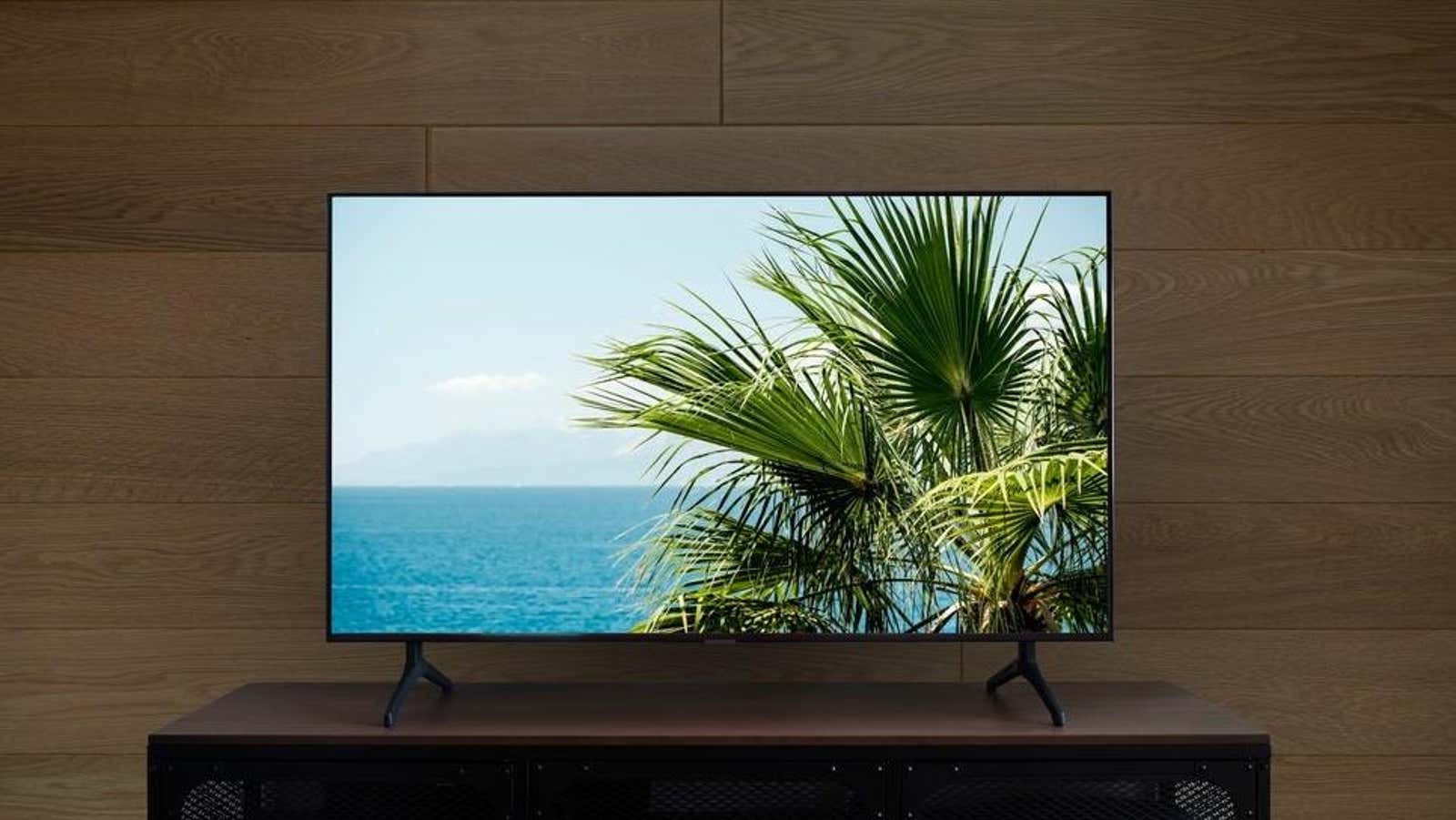
تشتهر شاشات OLED بأمرين. أولاً ، جودة الصورة الممتازة ومستويات التباين العالية ، والتي يمكنك تجربتها الآن على جميع أنواع أجهزة التلفزيون المزودة بتقنية OLED وشاشات الكمبيوتر والهواتف الذكية والأجهزة اللوحية ووحدات التحكم في الألعاب المحمولة. والثاني هو “احتراق OLED”.
لحسن الحظ ، مع تقدم التكنولوجيا ، تقل احتمالية الاحتراق على شاشات OLED الأحدث مما كانت عليه عندما تم طرح أجهزة تلفزيون OLED الأولى. ومع ذلك ، لا تزال مشكلة يجب أن تعيد تقييم كيفية استخدامك للأجهزة المجهزة بتقنية OLED للتأكد من عدم إتلافها عن طريق الخطأ.
ما هو احتراق OLED؟
يحدث “احتراق في الشاشة” عندما تعرض شاشتك صورة ثابتة بعد ذلك لشيء لم يعد معروضًا على الشاشة. تكون شاشات OLED عرضة لهذه الصور الوهمية المستمرة بسبب طريقة عملها: بعبارات مبسطة ، يتم إضاءة كل بكسل على شاشة OLED بشكل فردي ، بدلاً من الإضاءة الخلفية للمنطقة التي تستخدمها لوحات LED الأخرى. هذا يعني أن كل بكسل OLED يمكن تشغيله وإيقاف تشغيله وتغيير لونه اعتمادًا على ما يظهر على الشاشة. هذه هي الطريقة التي تحقق بها شاشات OLED “اللون الأسود العميق” ومستويات التباين الحادة التي تشتهر بها ، ولكنها تعني أيضًا أن كل بكسل يمكن أن يتلف أو يفرط في الاستخدام ، مما يؤدي إلى تلاشي البكسل (أو حتى حرقه).
تعد عناصر واجهة المستخدم في ألعاب الفيديو والتطبيقات وقوائم خدمة البث أسوأ متسببين في الاحتراق ؛ أيقونات معرف المحطة الصغيرة على القنوات التلفزيونية ؛ قرون الثالث السفلي في محطات الأخبار ؛ والصور الثابتة لشاشة التوقف ، والتي يمكن أن تظل جميعها على الشاشة لساعات في المرة الواحدة.


 Save $59
Apple AirPods Pro
Hear the difference
The newly refreshed, 2021 AirPods Pro with MagSafe charging get their first big price cut.
Buy for $190 at Amazon
To be clear, it’s unlikely you’ll experience OLED burn-in through general use. An image has to be on-screen for hundreds or even thousands of hours to truly damage the screen. Burn-in is also less likely to occur on newer OLEDs, which are often manufactured with burn-in mitigation tech included.
That said, it’s possible for minor distortion or discoloration to set in after just a few dozen hours, even on the latest devices. And once it sets in—even the tiniest bit—you can’t fix it. You can see first-hand evidence on many TV and smartphone floor models in stores like Best Buy, which often display the same images on-screen for days or weeks at a time. You can also see some evidence of long-term burn-in on the new Switch OLED model in the video below from YouTuber Wulff Den:
How to prevent OLED Burn-in
Sure, the above examples are rare edge cases that don’t reflect how general users interact with their OLED screen, but they’re still proof burn-in remains an issue for all OLED screens. There are ways you can avoid burn-in without resorting to extreme screen-time rationing, though.
Advertisement
Change what you watch and play
The most obvious thing is to regularly change what’s on-screen to avoid displaying static images for too long. For example, if you only watch ESPN on TV, maybe tune into FOX Sports or NBC once in a while to avoid burn-in from the “ESPN” logo. If you play a lot of Call of Duty, try some Apex Legends or Destiny to switch things up. And if you tend to watch lots of YouTube or Twitch, watch in full-screen mode to avoid having the interface on-screen for hours at a time.
Advertisement
Adjust the brightness
While varying what’s on your screen will ensure nothing is displayed long enough to burn in, screen brightness is also a major factor to keep in mind. Burn-in sets in faster on bright screens, so turning down the device’s brightness and enabling auto-dimming and auto-sleep modes that kick in after a few minutes of inactivity can decrease the likelihood for burn-in.
Advertisement
These don’t need to be extreme changes—anything below 90 percent is fine, but ideally, you should aim for the 70-80 percent range or lower. The same for auto-dimming and auto-shut-off or sleep timers: You don’t need your screen to dim every 10-30 seconds, 10 to 30 minutes work just fine. The point is to make sure the screen isn’t on and displaying the same images at max brightness all day.
Use dark mode and other settings
Some devices also have extra settings that further reduce the possibility of burn-in. Enabling dark mode for your OS and apps is an especially useful one for OLED screens, since the pixels are dimmed when displaying darker colors, and turned off entirely for black. Other examples include the الوضع “Extra-dim” في نظام Android 12، و “تقليل النقطة البيضاء” والمزيد من خيارات تقليل السطوع بتنسيق إعدادات إمكانية الوصول لنظام iOS.
على الرغم من أنك لست بحاجة إلى تشغيل كل هذه الإعدادات لمنع الاحتراق ، فإننا نوصي باستخدام عدد قليل منها على الأقل يعمل من أجلك لمنع هذا التلف النادر – ولكن غير القابل للإصلاح – للشاشة.
[[سي نت]
